
Material for Hazardous Area Classifications (chapter 1)
Wishlist Share

About Course

Explosions can happen almost anywhere.

Any spark or heated surface that comes in contact with a hazardous atmosphere can result in an explosion.

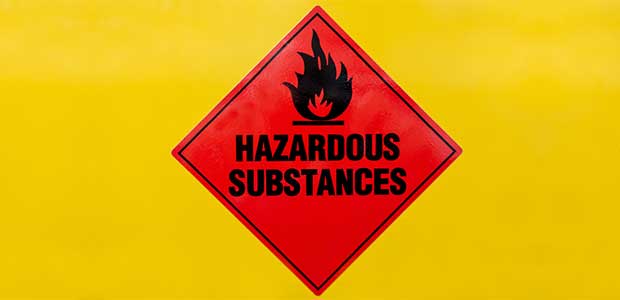
Hazardous locations are environments that are extraordinarily susceptible to explosions.

What Will You Learn?

  • Participants will learn about the requirements of safe application of instrumentation in hazardous locations.

Course Content

Hazardous Area Classifications (chapter 1)
Finding ways to operate in hazardous locations is not a new problem. Many of the basic processes and systems used today were actually developed in the early 1900sFor example, one of the first documented uses of intrinsically safe products occurred in coal mines in England in 1912 after a communication system fault contributed to disastrous explosions. Following World War I as the demand for petrochemical products and the use of electrical control systems increased, the concept of containing components in explosion-proof enclosures was introduced and widely used. Today, changes in technology require new methods of protection. In addition, worldwide economic changes have prompted a harmonization of the standards for classification of hazardous locations, certification of products, and codes governing installations. This chapter introduces the concepts and classifications of hazard locations. It begins with a brief history and overview of working in hazardous locations. The chapter includes summary information on certifications, standards, and codes.

  • Hazardous Area Classifications (chapter 1)
  • Quiz

Student Ratings & Reviews

No Review Yet
No Review Yet
Shopping Cart
Scroll to Top